
EU Cyber Resilience Act for Wearable Manufacturers
Smartwatches, fitness trackers, and connected health devices face stringent EU cybersecurity mandates. Master your obligations, secure your firmware and companion apps, and automate your technical documentation.
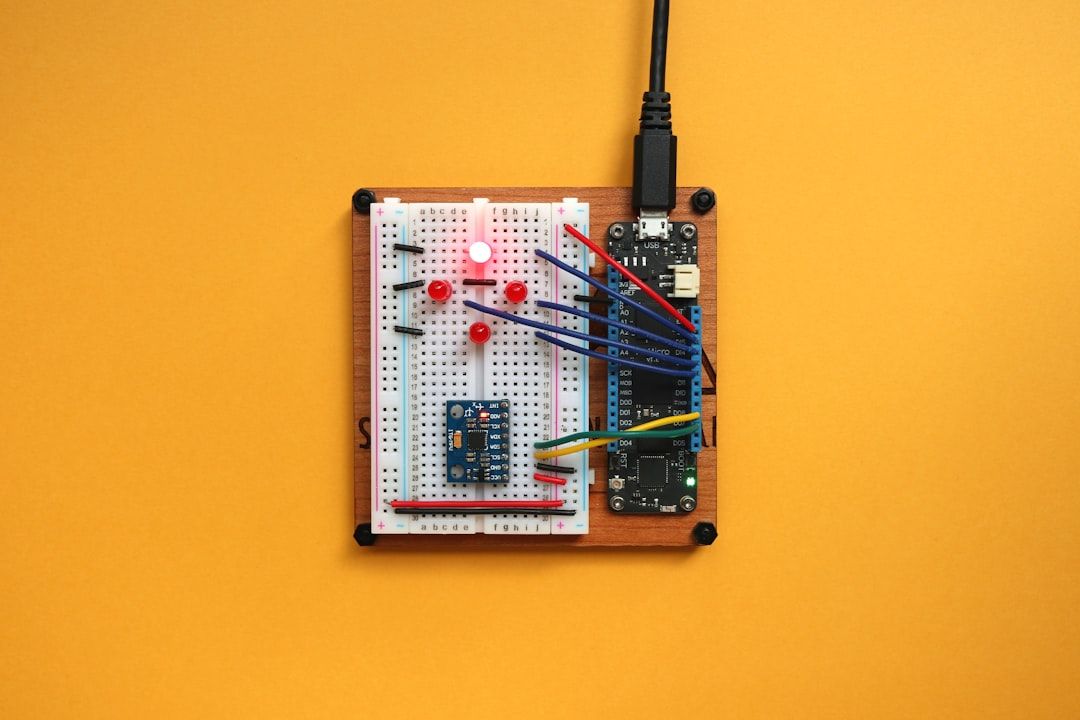

The Cyber Resilience Act (CRA) classifies connected consumer hardware, embedded firmware, and companion mobile apps as products with digital elements. Manufacturers must maintain a precise Software Bill of Materials (SBOM), implement robust vulnerability management, secure over-the-air (OTA) update channels, and finalize technical documentation before the 11 December 2027 enforcement deadline.
Why Connected Wearables Fall Under CRA Scope
Regulation (EU) 2024/2847 applies to hardware or software products that connect to other devices or networks. Wearables—including fitness trackers, smart rings, and biometric monitors—interface with smartphones via Bluetooth Low Energy (BLE), connect to cloud APIs, and process sensitive telemetry. This connectivity places the device hardware, firmware, and companion software directly under CRA requirements.
Effective 10 December 2024, the CRA mandates cybersecurity standards across the entire product lifecycle. Wearable makers must demonstrate security-by-design, provide vulnerability remediation throughout the support period, and report exploited vulnerabilities to ENISA within strictly defined timeframes.
Core CRA Obligations for Wearable Engineering Teams
Developing connected consumer technology requires balancing power constraints, wireless protocols, and rigorous regulatory compliance.
Embedded & Companion App SBOMs
Generate machine-readable Software Bills of Materials covering both embedded firmware stacks (C/C++, Rust, Zephyr) and mobile or backend codebases.
Vulnerability Monitoring & Patching
Continuously monitor open-source libraries and proprietary components for known vulnerabilities, supported by a structured process for timely security patching.
ENISA Incident Reporting
Adhere to statutory notification windows: submit early warning alerts within 24 hours of detecting an actively exploited vulnerability, with formal reports within 72 hours.
Annex VII Technical Files
Compile comprehensive technical documentation, cybersecurity risk assessments, and EU declarations of conformity to prove compliance before market entry.
Managing Multi-Layered Vulnerability Surfaces
Wearables operate within complex ecosystems. A typical product includes microcontroller firmware, a Bluetooth stack, a mobile companion app, and cloud-sync APIs. Under the CRA, security obligations apply to the entire interconnected stack.
- Third-party drivers, wireless stacks, and embedded libraries must be included in machine-readable SBOMs.
- Over-the-air (OTA) update mechanisms must ensure integrity and confidentiality to prevent firmware tampering.
- Companion mobile applications and cloud APIs require consistent vulnerability tracking and security documentation.
- Vulnerability reporting obligations extend to any security flaws detected across the entire wearable stack.

Wearable Product Classification Under the CRA
The CRA categorizes products based on cybersecurity risk: default products, important products (Annex III), and critical products (Annex IV). Most consumer wearables fall under the default category, permitting manufacturers to perform internal control conformity assessments (Module A).
However, if your wearable manages privileged access, integrates biometric identity, or interfaces with critical medical infrastructure, classification requires scrutiny. Devices interacting with industrial safety systems or OS primitives may trigger Class I or Class II requirements.
CRA Regulatory Timelines and Penalties
Compliance is governed by two critical legal milestones:
- 11 September 2026: Mandatory vulnerability reporting begins. Manufacturers must report actively exploited vulnerabilities to ENISA and national CSIRTs within 24 hours.
- 11 December 2027: Full cybersecurity obligations apply to all products on the EU market, requiring complete Annex VII documentation and CE marking.
Non-compliance carries significant risks. Fines can reach €15,000,000 or 2.5% of annual worldwide turnover, with authorities empowered to restrict or recall non-compliant devices.
Evaluate Your Wearable Repositories for CRA Readiness
Connect your GitHub repositories to inspect dependencies, verify CycloneDX SBOM generation, and identify missing technical documentation.
Four Steps to Prepare for CRA Compliance
- 1
1. Inventory Software and Firmware
Catalog every open-source component, RTOS package, and Bluetooth library across your embedded and mobile codebases using standard CycloneDX exports.
- 2
2. Establish Continuous Tracking
Implement automated scans to detect CVEs in third-party libraries and track active alerts across all your language ecosystems and peripheral dependencies.
- 3
3. Prepare Security Disclosures
Publish a formal SECURITY.md policy defining your coordinated vulnerability disclosure process, contact channels, and device support lifecycle.
- 4
4. Assemble Technical Documentation
Draft your EU Declaration of Conformity and compile architecture specifications, risk assessments, and patch workflows for conformity self-assessment.
How CRAcheck Accelerates Compliance for Wearable Makers
CRAcheck is a self-assessment platform designed to streamline technical file preparation and vulnerability visibility. By connecting to your GitHub repositories, CRAcheck extracts dependency trees across 9 ecosystems—including Rust, Go, npm, PyPI, and CycloneDX imports.
CRAcheck evaluates your repositories against CRA requirements, providing a compliance score. It monitors dependency vulnerabilities with automated alerts and generates templates for Annex VII files, EU declarations of conformity, SECURITY.md policies, and ENISA reporting workflows.
CRAcheck provides self-assessment tools to help engineering teams build the baseline visibility and structured documentation required to meet CRA obligations systematically.
Frequently Asked Questions
Are health-tracking wearables covered under the CRA or the Medical Device Regulation (MDR)?+
If a wearable is classified as a medical device under the MDR (EU) 2017/745, it is generally excluded from the CRA. However, consumer fitness trackers and wellness wearables without a specific medical purpose fall directly under the CRA.
Does the CRA apply to the mobile app or only the hardware?+
The CRA covers products with digital elements, including remote processing and companion software. Mobile apps and cloud components that sync with the wearable must comply with CRA standards, including vulnerability management and SBOM maintenance.
When must manufacturers report exploited vulnerabilities to ENISA?+
Starting 11 September 2026, manufacturers must submit an early warning within 24 hours of detecting an actively exploited vulnerability, followed by a formal notification within 72 hours and a final report within 14 days.
Can startups self-assess conformity?+
For default-category consumer electronics, manufacturers can utilize internal control conformity assessment (Module A). This requires maintaining complete Annex VII technical files and an EU Declaration of Conformity.
Start Preparing Your Wearables for the CRA
Connect your code repository to generate CycloneDX SBOMs, check vulnerability exposure, and export draft technical files.
Same topic — Par type de produit
New to the Cyber Resilience Act? Start with the complete guide.
The CRA guideFrom the blog
Check your CRA compliance in 1 minute
Free, no sign-up. Scan your repo and get your compliance score + pre-filled documents.